
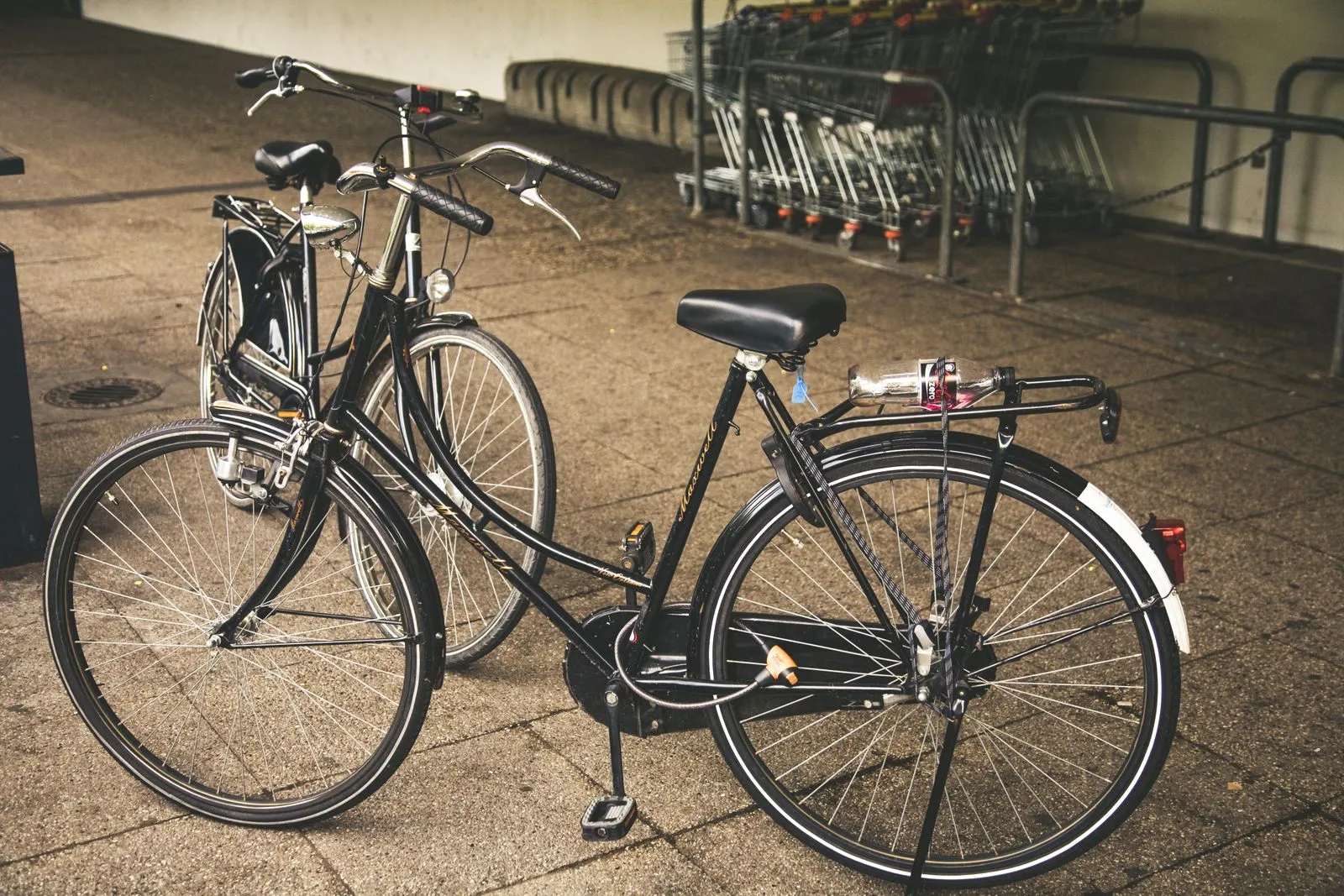
A bike can look worn without needing a complete restoration. A flat tire or rusty chain may call for a straightforward repair, while structural damage or widespread deterioration can require a more thorough rebuild. Start by checking the frame, wheels, brakes, drivetrain, and neglected components. Look for problems that affect safety, function, or several systems at once. This inspection can help you describe what you see and decide whether to seek a repair estimate or discuss restoration options.
Inspect the frame and fork
Clean the frame enough to see its surface, then check the tubes, joints, and fork for cracks, dents, deep rust, or signs of a previous repair. Pay close attention to areas around welds or lugs and where components attach. Surface scratches or small paint chips are usually cosmetic; a crack, badly dented tube, or corrosion that appears to have eaten into the metal is more serious.
Also look for a bent fork, misaligned wheels, or a frame that seems twisted. These problems can affect how the bike handles and may make it unsafe to ride. Do not test-ride a bike with suspected structural damage. Have a qualified mechanic assess the frame and fork before deciding whether repair or restoration is appropriate.
Check wheels, brakes, and tires
Spin each wheel and watch the rim as it passes the frame or brake pads. A wheel that wobbles, rubs, or stops abruptly may need adjustment, truing, new bearings, or replacement. Inspect rims for cracks and heavy wear, and check spokes for looseness, damage, or missing parts. A single wheel issue can often be repaired; problems across both wheels may add up to a larger overhaul.
Squeeze the brake levers and confirm they engage firmly rather than pulling all the way to the handlebar. Look for cracked or frayed cables, worn pads, and damaged brake surfaces. Check tires for splits, bulges, exposed threads, or dry, cracked rubber. If the brakes or tires are unreliable, avoid riding until they are fixed. Multiple aged safety parts may make a broader service plan worth discussing.
Evaluate the drivetrain and controls
Turn the pedals by hand and shift through the gears while the rear wheel is raised securely. Listen for grinding, skipping, or repeated chain drops. Inspect the chain for rust, stiff links, and heavy grime; look at the cassette or freewheel and chainrings for worn, uneven teeth. A dirty chain may need cleaning and lubrication, but a worn chain, gears, and shifting parts together can point to extensive neglect.
Test the headset, bottom bracket, and hubs for looseness or rough movement. Check that the handlebars, stem, seatpost, and pedals are secure and move as intended. Stiff or seized parts can require extra labor, especially when corrosion has spread. Avoid forcing stuck components; a mechanic can check whether they can be safely freed or should be replaced.
Choose repair or restoration
A targeted repair often makes sense when the frame is sound and the problem is limited—for example, one flat tire, a worn chain, or a brake adjustment. Restoration is worth considering when deterioration affects several systems, parts are seized or obsolete, or you want to preserve an older bike’s original character. First clarify your goal: a safe, dependable rider may need different work than a careful period-correct rebuild.
Before approving work, ask for an inspection and a written list that separates safety-critical repairs from optional cosmetic or historical details. Ask which parts can be reused, what needs replacement, and whether the frame is suitable for the result you want. Boston Bike Revival can help assess a bike in Boston and explain possible next steps; contact the shop to arrange an evaluation.
Look beyond the bike’s appearance: structural damage, unreliable brakes, worn wheels, and problems across multiple systems matter more than faded paint alone. If you spot a safety concern, stop riding and get a professional assessment. A careful inspection can help you choose a focused repair or plan a restoration that fits your bike and your goals.